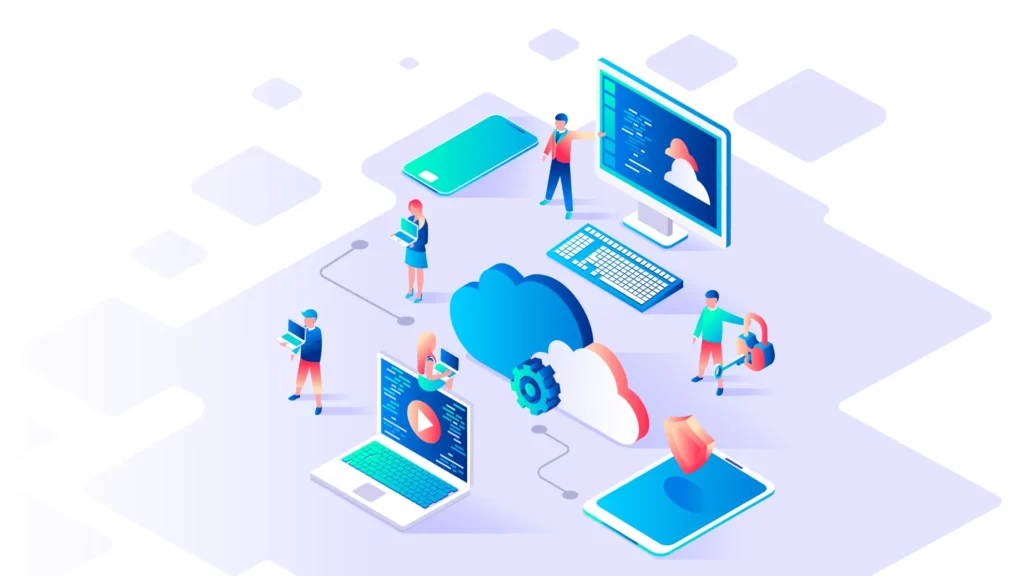
Introduction: Why Edge Computing Is Suddenly Everywhere
Edge computing has gone from “interesting concept” to “boardroom buzzword” in record time. And no, it is not because enterprises enjoy collecting new jargon. Edge computing matters because data volumes are exploding, users demand instant responses, and centralized models alone cannot keep up. When edge computing meets a multi-cloud strategy, organizations gain speed, resilience, and control, without sacrificing scale.
In simple terms, edge computing shifts computing work away from distant centralized data centers and closer to where data is actually produced. That proximity changes everything: latency drops, costs stabilize, and decisions happen in real time. In a world dominated by cloud computing, edge computing is not a replacement, it is the missing piece.
What Is Meant by Edge Computing?
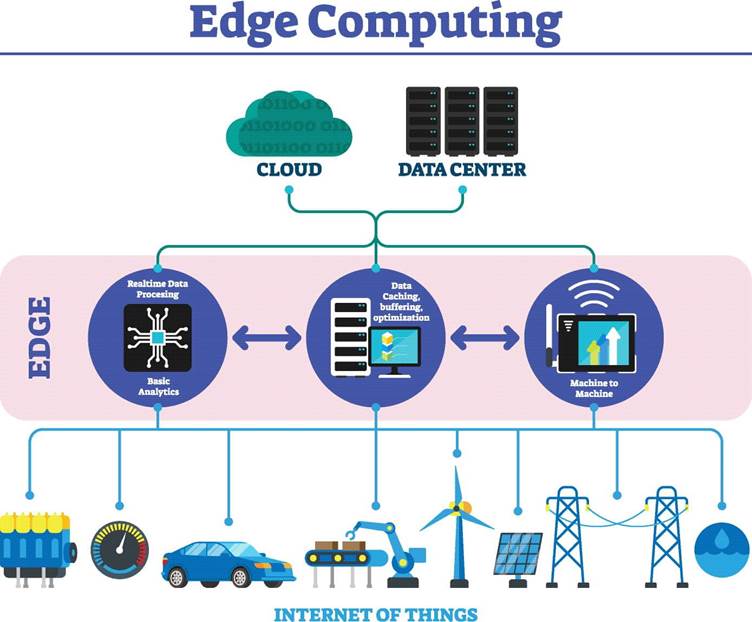
Edge computing is a distributed framework where data processing happens at or near the network edge, rather than exclusively inside centralized data centers. Instead of shipping every bit of raw data to a central data center or cloud servers, edge computing systems process data locally using edge devices, edge servers, or edge infrastructure deployed closer to users and data sources.
This approach ensures that critical data, real time data, and relevant data are handled immediately, while irrelevant data can be filtered out before it travels further. That is edge computing work in action.
Edge Computing vs Cloud Computing: A Practical Comparison
Cloud computing centralizes computing work in large data centers optimized for scale, analytics, and machine learning model training. Edge computing, by contrast, focuses on processing data closer to where it is generated.
Traditional cloud computing relies on centralized servers accessed via internet connectivity. Edge computing reduces latency by processing data closer to its source, which is crucial for time-sensitive applications. In practice, the smartest architectures combine both: cloud services for heavy analytics and edge computing services for real time processing.
Why Edge Computing Is Important in a Multi-Cloud World
Edge computing important discussions usually revolve around performance, but the real value lies in flexibility. Multi-cloud environments already distribute workloads across cloud providers. Adding edge deployments extends that distribution to edge locations and remote locations.
Edge computing enables organizations to process data locally even when reliable connectivity is not guaranteed. This improves operational efficiency and ensures critical systems continue functioning despite network issues.
Understanding the Network Edge and Edge Network
The network edge is where users, smart devices, IoT devices, and connected devices interact with digital systems. An edge network extends computing capabilities to this boundary, using managed hardware, edge servers, and local processing nodes.
By pushing processing power outward, organizations reduce network traffic, optimize bandwidth usage, and enable real time decision making without round trips to a central data center.
How Edge Computing Work Actually Happens
Edge computing work begins when data is produced by data sources such as sensors, medical devices, retail systems, or autonomous vehicles. Instead of sending all raw data to centralized servers, edge computing processes data locally.
This local processing supports real time data processing, filters irrelevant data, and forwards only relevant data to cloud resources for deeper analysis or storing data long term.
Benefits of Edge Computing for Modern Enterprises
The benefits of edge computing are measurable and practical. First, edge computing reduces latency by processing data closer to where it is generated. Second, it improves security by keeping sensitive data local. Third, it reduces costs by minimizing data transfer to centralized data centers.
From improved operational efficiency to better user experience, the benefits of edge computing align perfectly with multi-cloud objectives.
Data Center Evolution: Central, On-Premise, and Edge
A traditional data center or on premise data center once handled everything. Today, centralized data centers coexist with edge infrastructure. The modern data center strategy blends a central data center for large-scale analytics with edge computing for speed and autonomy.
This hybrid approach allows enterprises to store data efficiently while supporting real time data needs.
Edge Devices: Small Hardware, Big Responsibility
Edge devices include sensors, cameras, smart devices, industrial controllers, and medical devices. These edge devices are the frontline of edge computing environments, handling data processing close to where data is produced.
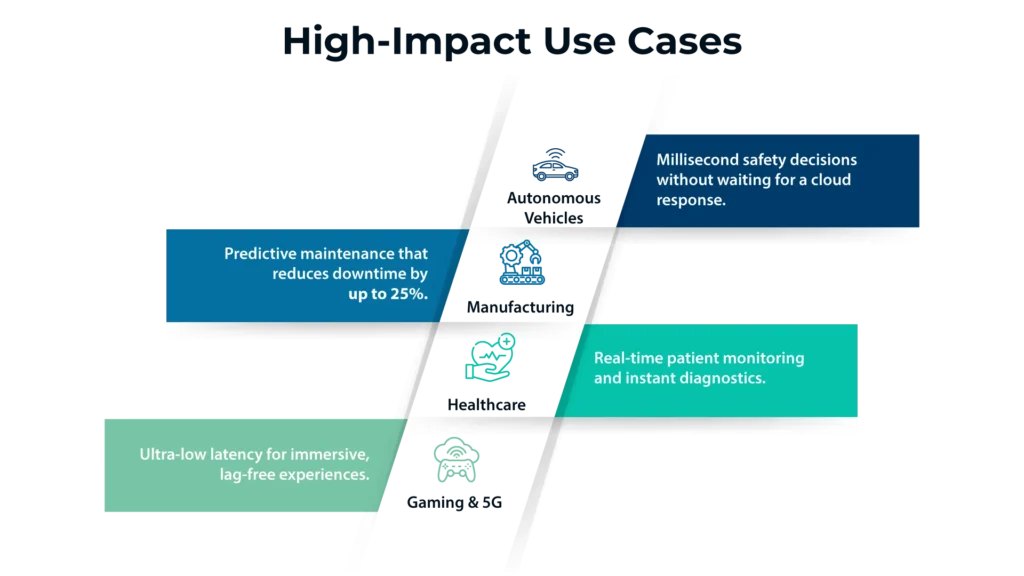
In smart cities, edge devices dynamically manage traffic signals. In healthcare, they enable real time patient monitoring. In manufacturing, they support predictive maintenance.
Edge Computing and IoT: Close Cousins, Not Twins
Edge computing vs IoT is a common question. IoT devices generate data; edge computing processes that data locally. Without edge computing, IoT devices flood networks with raw data. Together, IoT devices and edge computing create scalable, intelligent systems.
Industrial IoT uses edge computing to process data on factory floors, reducing unplanned downtime by up to 25% through predictive maintenance.
Autonomous Vehicles and Self Driving Cars
Autonomous vehicles and self driving cars rely on real time data processing. Sending raw video data to a central data center would introduce unacceptable delays. Edge computing helps by enabling local processing and immediate decision making.
For autonomous vehicles, edge computing enables navigation, safety responses, and coordination with nearby infrastructure in milliseconds.
Edge Computing Helps with Data Sovereignty
Data sovereignty is no longer optional. Regulations and data sovereignty laws require sensitive data to remain within specific geographic boundaries. Edge computing helps organizations comply by processing data locally at edge locations.
By avoiding unnecessary data movement, edge computing strengthens compliance while maintaining performance.
Edge Artificial Intelligence and Machine Learning
Edge artificial intelligence combines artificial intelligence and machine learning at the network edge. Instead of sending data to cloud servers for inference, machine learning models run locally on edge computing systems.
This enables real time analytics, automation, and insights even in environments with limited internet connectivity.
Fog Computing, Mobile Edge, and Mobile Edge Computing
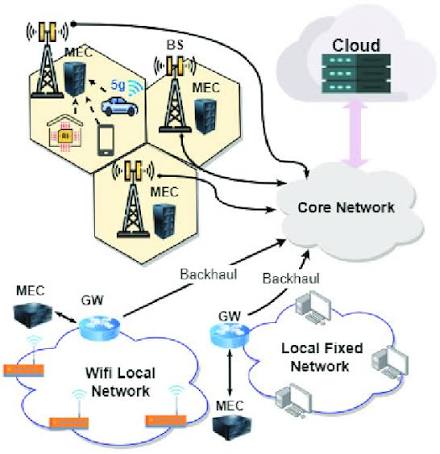
Fog computing acts as a middle layer between edge and cloud, aggregating edge data before sending it onward. Mobile edge computing extends edge computing to telecom networks, especially in 5G environments.
Mobile edge and 5G together reduce latency and enhance network capabilities, unlocking new use cases across industries.
Edge Computing and 5G: A Perfect Pair
Edge computing and 5G are designed for each other. 5G provides low latency, high bandwidth, and traffic routing that push edge computing to its full potential.
Together, they enable real time processing, support massive data volumes, and enhance data sovereignty across distributed environments.
Real-Time Use Cases Across Industries
Edge computing is used in manufacturing to automate processes and improve operational efficiency. In healthcare, it supports diagnostics and patient monitoring. In transportation, it powers connected vehicles and real time analytics.
Gaming and content delivery networks use edge computing to reduce latency and deliver immersive experiences.
Edge Computing Solutions in a Multi-Cloud Strategy
Edge computing solutions extend cloud services beyond centralized data centers. They act as an extension of cloud computing, distributing computing work while maintaining centralized management.
Edge solutions ensure that cloud resources are used efficiently while keeping performance-critical workloads local.
Edge Strategy: Designing for Balance
An effective edge strategy identifies which workloads need real time processing and which belong in the cloud. Edge computing enables organizations to strike that balance without compromising scalability or control.
Why Edge Computing Is the Future of Computing Work
By 2025, nearly 75% of enterprise data is expected to be processed at the network edge. That statistic alone explains why edge computing is no longer optional.
Edge computing helps organizations reduce latency, strengthen security, comply with regulations, and unlock new capabilities across multi-cloud environments.
Final Thoughts: Edge Computing Without the Hype
Edge computing is not about abandoning the cloud. It is about making cloud computing smarter, faster, and more practical. When integrated into a multi-cloud strategy, edge computing enables businesses to process data where it matters most – right at the edge.
Professional takeaway: edge computing is no longer a “nice to have.” It is a strategic necessity, delivered with just enough quirk to keep your architecture agile and your users happy.
Bringing edge data into focus?
While edge computing handles real-time processing at the source, Cloudeva.ai helps you manage what happens next; unifying multi-cloud visibility, cost optimization, security insights, and AI-driven operations for the cloud environments where edge data ultimately lands.
Connect your edge strategy to smarter multi-cloud decisions with Cloudeva.
Book your demo now
Keynote Summary: Edge computing processes data at or near where it’s generated — not in distant centralized data centers. When combined with multi-cloud, it reduces latency, stabilizes egress costs, and enables real-time decision-making for IoT, retail, manufacturing, and media workloads. Edge is not a replacement for cloud — it’s the missing piece for time-sensitive and bandwidth-heavy applications.
FAQs:
What is edge computing?
A distributed model where data is processed locally at the network edge, near users and data sources, rather than sent to central data centers.
How does edge differ from cloud computing?
Cloud centralizes compute at scale; edge distributes compute to minimize latency for real-time workloads.
Why integrate edge with multi-cloud?
Speed, cost stability, data residency compliance, and resilience – edge handles time-critical processing while cloud handles scale and analytics.
What use cases need edge computing?
IoT devices, autonomous vehicles, real-time retail analytics, remote industrial monitoring, and low-latency content delivery.
Does edge increase security complexity?
Yes – more distributed nodes mean more attack surfaces, requiring consistent governance across edge and cloud environments.