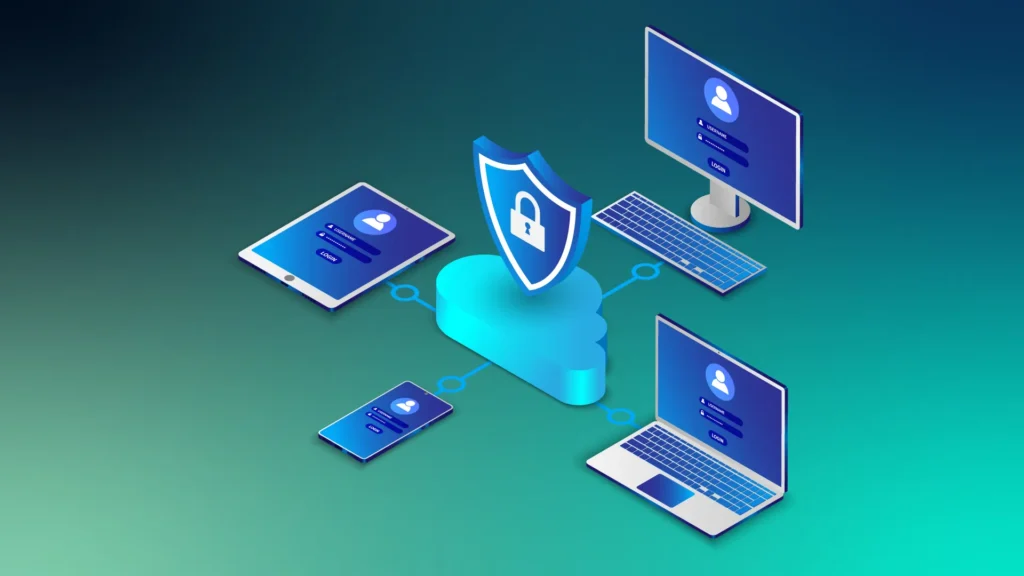
After more than a decade of working alongside security teams, cloud architects, and auditors, one thing has become painfully clear to me: the security of cloud computing is rarely compromised by sophisticated zero-day exploits. It is far more often weakened by everyday decisions – misconfigurations, rushed access grants, and misunderstood responsibilities.
Cloud computing has enabled unprecedented speed and flexibility, but it has also reshaped the threat landscape. As one CISO once told me during a post-incident review, “The cloud didn’t fail us-our assumptions did.”
This article draws from real-world exposure to cloud environments, incident response discussions, and security posture reviews to unpack the five most critical threats, and how organizations can realistically mitigate them.
Informative Snippet: More than 80% of cloud security incidents originate from customer misconfigurations rather than cloud provider failures; a pattern we rarely saw with tightly controlled on premises infrastructure but now encounter regularly in cloud environments.
What Is Cloud Security and Why It Matters in Cloud Computing
At its core, cloud security refers to the collection of cyber security policies, technologies, security controls, and best practices used to protect cloud systems, applications, and cloud data.
Cloud computing security is essential because cloud deployments are dynamic, internet-facing, and highly interconnected. Unlike traditional data centers, cloud environments can scale, replicate, and expose resources within minutes – often faster than teams realize.
From experience, the primary goals of cloud security include protecting data, applications, and cloud infrastructure while ensuring compliance and operational continuity.
What Is Security in Cloud Computing?
Security in cloud computing is the discipline of safeguarding workloads running on public cloud, private cloud, and hybrid cloud platforms from unauthorized access, data breaches, and service disruption.
Cloud security works by combining encryption, identity and access management, monitoring, and governance to tighten defenses around off-premises systems. This approach is necessary because cloud deployments can be accessed directly using the public internet, enabling convenient access, but also expanding the attack surface.
Types of Cloud Security and the 4 C’s Explained
Types of Cloud Security – (Private Cloud/Public Cloud)
There are several types of cloud security, typically grouped into network security, identity security, data security, and governance controls. Each addresses a different layer of the cloud system. (Public cloud services/Private Cloud Services/Hybrid Cloud Environment)
What Are the 4 C’s of Cloud Security?
From my experience, the 4 C’s: Configuration, Control, Compliance, and Continuity – offer a practical framework. When one fails, the others usually follow.
Security Threats Concerns Driven by Visibility and Control Gaps
One of the most persistent cloud security concerns is limited visibility. Cloud environments often experience lack of visibility and control due to their dynamic and distributed nature, leading to cloud sprawl and blind spots.
According to Gartner, misconfigurations and visibility gaps account for the majority of cloud security incidents. This aligns with what I’ve observed during security reviews across multi cloud environments.
Threat #1 – Misconfigurations Across Cloud Infrastructure
Misconfigured security settings are among the leading causes of data breaches in cloud environments. Many breaches result from incorrect default settings and overly permissive access rather than advanced cyber threats.
How Misconfigurations Impact Cloud Infrastructure
Cloud infrastructure evolves rapidly. Without guardrails, exposed storage, open cloud servers, and insecure APIs become inevitable.
Role of Cloud Infrastructure Entitlement Management
Cloud infrastructure entitlement management helps track permissions and access paths, reducing risk created by excessive access control privileges.
Threat #2 – Weak Access Management and IAM Failures
Inadequate access management significantly increases cloud security risks. In real-world incidents, I’ve repeatedly seen weak authentication and broad permissions lead directly to compromise.
Identity and Access Management as a Risk Multiplier
Identity and access management defines who can access data and systems. When IAM is poorly designed, attackers don’t need to break in; they log in.
Access Management IAM Best Practices
Strong access management IAM enforces least privilege, multi factor authentication, and continuous review of access data.
Threat #3 – Insider and Internal Threats in Cloud Environments
Insider attacks rank among the top threats in cloud computing. Internal threats may be malicious or accidental, but both can expose sensitive data.
From audits I’ve participated in, human error accounts for a significant percentage of data breaches, often through misused privileges
Threat #4 – Data Security Failures and Data Breaches
Data security remains central to cloud risk management. Cloud service providers often store multiple customers’ data on the same server, increasing exposure if isolation fails.
Data Breaches, Data Leaks, and Data Loss
Data breaches, data leaks, and data loss frequently stem from unsecured cloud storage or improper data storage controls.
How to Protect Data Effectively
To protect data, organizations must encrypt sensitive data at rest and in transit using AES-256 and TLS, apply data loss prevention tools, and implement layered security measures for provide data security.
Threat #5 – Compliance, Governance, and Shared Responsibility Gaps
The cloud introduces complex regulatory challenges. Compliance with GDPR, HIPAA, and PCI DSS is difficult due to the shared responsibility model.
Understanding the Shared Responsibility Model
The shared responsibility model defines how security responsibilities are divided between the cloud provider and the customer. The cloud provider secures the infrastructure, while customers secure their data, applications, and access control.
Misunderstanding this model is a common cause of compliance violations.
“Data masking is a method used for GDPR compliance to obscure identifiable features within user data.”
Disaster Recovery, Business Continuity, and Secure Cloud Environments
Disaster recovery and business continuity planning ensure systems can be restored after incidents. In my experience, organizations often underestimate this until a breach forces action.
Secure cloud environments depend on tested backups, clear incident response plans, and continuous monitoring.
Security Posture Management as a Long-Term Strategy
Automated security posture management and cloud security posture management are essential for modern cloud operations. Continuous monitoring identifies misconfigurations, policy violations, and emerging risks before attackers exploit them.
A well-designed cloud security strategy reduces security risks, improves compliance, and builds trust.
Final Author Perspective on Cloud Security Strategy
Cloud security requires adjusting previous IT practices, but it has become more essential as cloud computing grows in value. From public cloud environments to private cloud and hybrid cloud services, security must be proactive, not reactive.
In my experience, organizations that invest in governance, training, and visibility don’t just prevent incidents, they gain confidence to innovate faster and more securely.
Strengthening Cloud Security Solutions for the Future
Modern cloud security solutions combine identity controls, data protection, threat detection, and security monitoring into a unified approach. As evolving cyber threats grow more sophisticated, layered defense and continuous improvement remain the most effective best practices.
Cloud security is not a tool – it’s an operational mindset.
Take the Next Step Toward Properly Secured Cloud
If you’re reassessing your cloud security posture or struggling with visibility across complex cloud environments, now is the right time to act. Platforms like Cloudeva.ai help security and cloud teams continuously monitor risk, strengthen security posture management, and simplify decision-making across multi-cloud and hybrid cloud setups.
Explore how a unified, AI-driven approach can help you secure what matters; before small gaps turn into major threats.
Keynote Summary: Over 80% of cloud security incidents originate from customer misconfigurations, not provider failures. The five critical threats are: misconfigurations, weak identity and access management, limited visibility, compliance complexity, and insider threats. The blog draws from real incident reviews and positions governance automation as the only scalable mitigation path.
FAQs:
What is the #1 cause of cloud security incidents?
Customer-side misconfigurations – not sophisticated attacks. Most breaches trace back to a misconfigured security group, storage bucket, or IAM policy.
What are the top 5 cloud security threats?
Misconfigurations, compromised credentials and weak IAM, insufficient visibility, compliance gaps, and insider/lateral movement threats.
How do you mitigate misconfigurations at scale?
Continuous monitoring that detects and flags configuration drift as it happens – not in the next audit cycle.
Why is compliance harder in multi-cloud?
Each provider has different compliance tooling, logging formats, and policy controls – making consistent enforcement extremely difficult manually.
What role does governance play in cloud security?
Governance provides the structure for accountability – who reviewed a change, what policy it was checked against, and what action was taken.